The Science Isn’t the Selling Point: Lessons from Founders
She spent nearly a decade on the science. Identified something that worked when nothing else did. Tested it. Patented it.
Then she waited and nobody called.
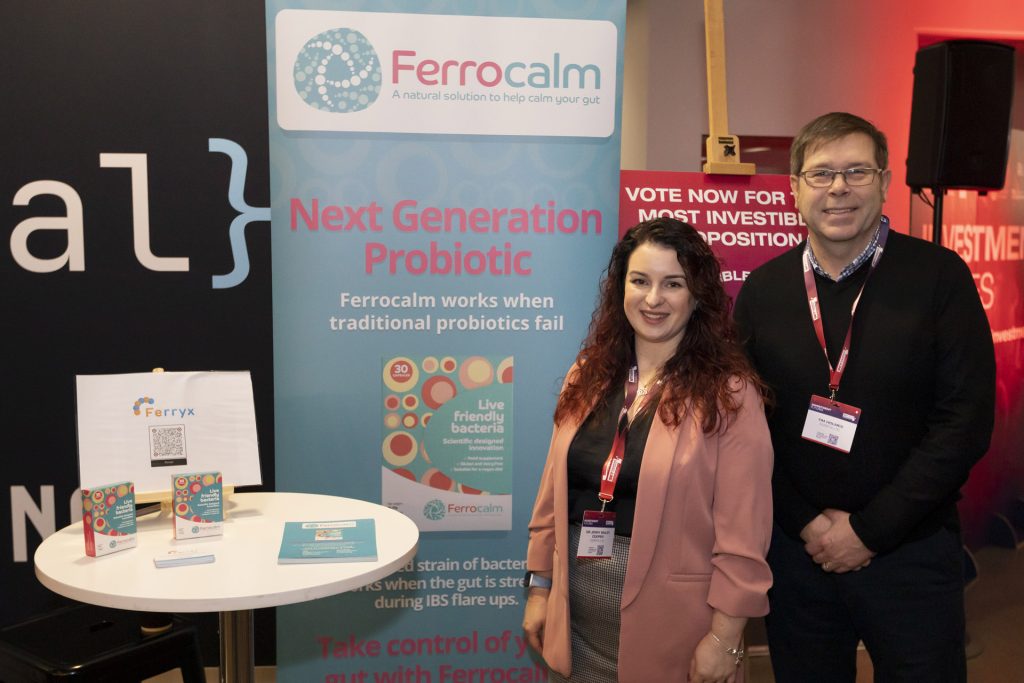
That was one of the most honest moments from our latest Founder Series session at SETsquared Bristol, where we explored what it really takes to turn research into a product. Jenny Bailey Cooper, co-founder of gut health spinout FerryX, shared how she and her co-founder went from a scientific question 'why don't probiotics work during gut inflammation?' to a patented technology, and then discovered that the hardest part was still ahead. It challenged an assumption that many researchers quietly hold: that if the science is strong enough, the world will come to you.
A patent is not a product. A product is not a business. And a breakthrough in the lab does not automatically translate into a breakthrough in the market.
So what does?
Conversations. Uncomfortable, humbling, sometimes ego-bruising conversations with the people you think might use or buy what you've built. Not ten. Not twenty. Over a hundred, before you've sold a single thing. For Jenny, the iCURe programme was the turning point: three months of stepping outside academia to speak directly with customers and stakeholders, which fundamentally reshaped how she understood the opportunity.
That's where the real validation lives. Not in peer review. Not in grant panel feedback. In the honest reactions of people who have the problem you're trying to solve.
James Lucas, founder of Lunos and a specialist in helping founders find their first revenue, put it even more bluntly. The question that matters is not "Can we build the technology?" it's "Will customers pay for it?" In a world where AI means almost anyone can build almost anything, the scarce resource isn't technical capability. It's proof of demand.
This is uncomfortable territory for researchers. You've spent years developing deep expertise, and now someone is telling you that the science isn't the selling point. But it's not a contradiction. The science is your foundation. The product is what you build on top of it. And the business is what happens when someone values it enough to pay.
The founders who shared their stories with us didn't have straight paths. Jenny bootstrapped FerryX through a pandemic after planned investment pitches collapsed overnight. James zigzagged across product, UX, and corporate innovation at companies like Telefonica and Nokia before finding his focus helping early-stage founders. Both agreed on one thing: the willingness to talk to customers early, to hear what they actually need, and to adapt accordingly and that's what separates an idea from a company.
If you're sitting on research that could change something, the next step isn't another paper but it's a conversation.
This is part of the Founder Series at SETsquared Bristol - a six-part programme for researchers exploring the path from academic discovery to commercial venture. Thanks to Stewart Noakes SETsquared Bristol's Entrepreneur in Residence for chairing the discussion.